
Door & Window Alarms for Dementia Patients
Our Top Door & Window Alarms for Dementia Wandering
Understanding Wandering in Dementia — and What an Alarm Actually Needs to Do
Wandering affects an estimated 6 in 10 people with dementia at some point during the course of the disease. It happens most often at night, during transitions between activities, or in response to disorientation — a person who believes they need to “go home” even when they are home, or who becomes confused about time and attempts to leave for a daily routine that no longer exists.
For caregivers, the challenge is that wandering is unpredictable and fast. A patient who was settled in bed at midnight can be at the front door by 12:03. The purpose of a door alarm in this context is not to stop the person — that’s the caregiver’s role — it’s to close the response time gap between when the person reaches a door and when the caregiver knows about it.
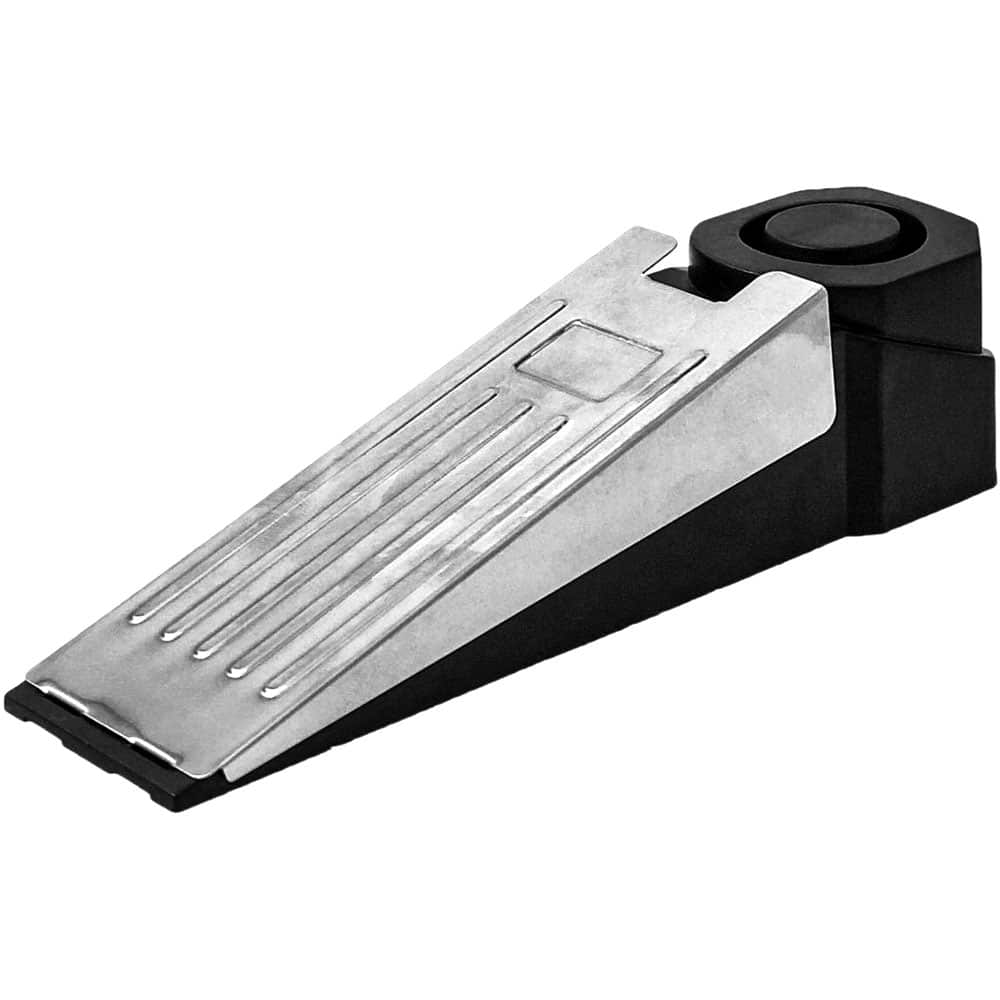
The alarm’s job is simple: make door opening impossible to sleep through. A 90dB magnetic sensor on a bedroom door is audible throughout a typical home. A 120dB door stop wedged under the front door is audible from any room on the same floor. The caregiver doesn’t need to be watching a monitor or checking a phone — the alarm does the alerting passively, around the clock, with no action required beyond setting it up once.
The alarm should not require the patient to do anything. Unlike a personal alarm that a person activates themselves, a wandering alert triggers automatically on door movement. The patient doesn’t need to understand or cooperate with the system. This passive trigger is what makes door and window sensors — rather than wearable alert devices — the right tool for dementia wandering situations.
Simplicity of setup matters for caregivers too. Caregivers are often managing significant cognitive and physical demands already. A door alarm that requires an app, a hub, a Wi-Fi configuration, or a monthly subscription adds friction that can mean the system doesn’t get set up at all. Every alarm on this page is operational within minutes of opening the packaging — batteries in, sensor placed, done.
How to Set Up a Door Alarm for a Dementia Patient at Home
The goal of a home setup is layered coverage: alert the caregiver as early as possible, at as many potential exit points as the patient is likely to reach. Here’s how to think through placement:
Bedroom door first. If the patient sleeps in a specific room, the bedroom door is the first alert point. A magnetic sensor on this door gives the caregiver maximum response time — the patient hasn’t left their room yet, which is the easiest intervention point. At this stage, a gentle verbal redirect is often sufficient.
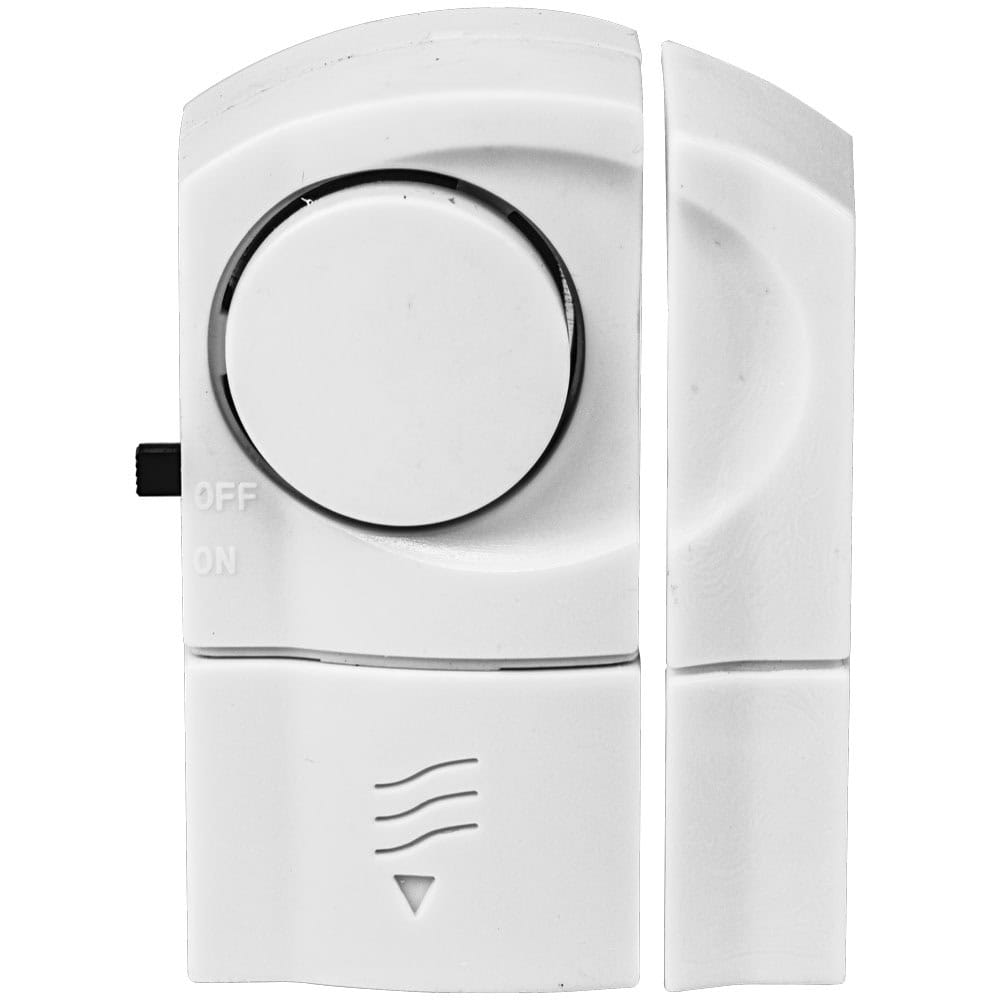
Front door second. The front door is the highest-risk exit point because it leads directly outside. This warrants the loudest and most reliable alarm in the setup. The Door Stop Alarm wedged under the front door provides both a physical resistance (slightly harder to open over the wedge) and an immediate 120dB siren if the door is pushed. The Magnetic Door and Window Alarm on the same door provides an additional layer — it triggers the moment the door begins to open, before it encounters the wedge.
Back doors and patio sliders third. Dementia patients who find the front door alarmed — or who are simply closer to a back exit — will use alternative routes. The Magnetic Door and Window Alarm 2-Pack covers a second door or sliding glass exit with the same peel-and-stick setup as the front door sensors.
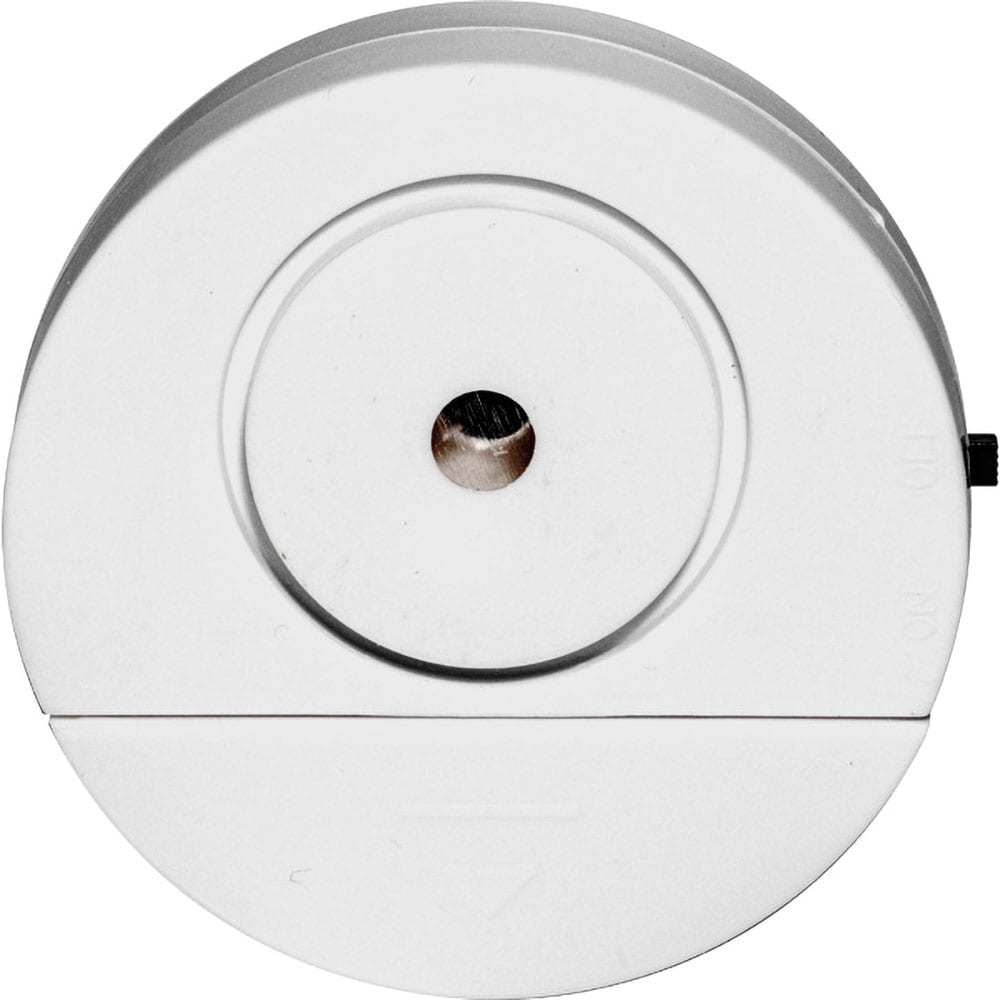
Windows for patients in ground-floor rooms. A patient determined to exit can use a window if doors are perceived as blocked. The Glass Break Alarm 2-Pack mounts on window glass or frames and triggers on vibration from contact — not just breakage — so it fires when the window is opened or struck, before the patient can exit.
Consider the Barking Dog Alarm for early warning. The Barking Dog Alarm’s motion-sensing chime mode can be positioned to detect movement in a hallway or near a door before the patient reaches it — giving caregivers a few extra seconds of lead time. Its remote control allows caregivers to arm it at bedtime and disarm it in the morning without approaching the door and potentially waking the patient.
Alarm Volume: How Loud Is Appropriate for a Dementia Patient?
This is a genuine tension in this use case, and it’s worth addressing directly. A 120dB alarm that works perfectly as an intruder deterrent can be deeply distressing to a person with dementia, who may not understand what the noise is, why it’s happening, or how to stop it. Sudden loud sounds can trigger agitation, fear, or behavioral escalation — the opposite of what a caregiver needs.
Here’s how to approach volume by situation:
Nighttime bedroom door coverage: A lower-volume alarm (90dB) on the bedroom door is usually sufficient to wake a caregiver in the next room without traumatizing the patient. The Magnetic Door and Window Alarm at 90dB is designed for exactly this scenario — audible enough to alert, not so overwhelming that it causes a crisis.
Front door and exterior exits: A louder alarm (120dB+) is appropriate here because the patient has already moved further from the bedroom and the caregiver needs more penetrating sound to be alerted across the home. The brief loud sound at this stage is a secondary concern compared to the risk of an unsupervised outdoor exit.
For highly agitation-prone patients: The Barking Dog Alarm’s chime mode — rather than its siren mode — provides a softer caregiver alert for patients who are severely distressed by alarms. Set it to chime when motion is detected near a door, giving caregivers advance notice before the patient reaches a trigger point.
The right setup is specific to the patient’s condition, the home’s layout, and the caregiver’s sleeping location. A tiered approach — quiet alert near the bedroom, louder alert at exterior doors — is often the most practical balance.
Door Alarms as One Part of a Dementia Home Safety Plan
A door alarm addresses the exit detection problem. It’s one component of a broader safety approach for dementia patients living at home:
Physical barriers — door knob covers, slide-bolt locks positioned out of typical sight lines (very high or very low on the door), and security chains — slow exit attempts and complement the alarm’s audible alert.
Environmental cues — visual stop signs or “Do Not Open” signage on doors, or covering doorknobs with cloth covers, can redirect a patient who is in an early stage of a wandering episode before they reach the door at all.
Consistent routine — many wandering episodes are triggered by anxiety or disorientation during transitions. Maintaining consistent sleep, meal, and activity schedules reduces the frequency of wandering attempts for many patients.
ID and GPS options — for patients who do exit the home despite preventive measures, a medical ID bracelet and, for appropriate patients, a GPS tracking device provides a recovery layer. Door alarms are a prevention tool; GPS is a recovery tool. Both have a role in a complete safety plan.
For families navigating dementia care, the door alarm is the most immediately actionable, most affordable, and most reliably passive safety upgrade available. It requires nothing from the patient and very little from the caregiver — and it closes the most dangerous gap in home dementia care.
Frequently Asked Questions
Need Help Designing a Setup for Your Home?
Every caregiving situation is different. If you'd like help choosing the right combination of alarms for your home's layout, the patient's stage of dementia, and your budget, call us at 800-859-5566. We're happy to help you think it through.
Shop All Door & Window Alarms